
Our Story
For us, care is not an abstract value but a practical commitment — one that shapes how homes are run and how decisions are made.
We’re part of Mazí because we know that housing is the foundation for social inclusion. We’ve worked long enough with young men navigating an asylum system that is unstable, conditional, and distrustful by design to know that the impact of bad and intermittent housing on someone with precarious legal status, no family and limited support networks is disastrous. The choices you have in that situation are all bad.
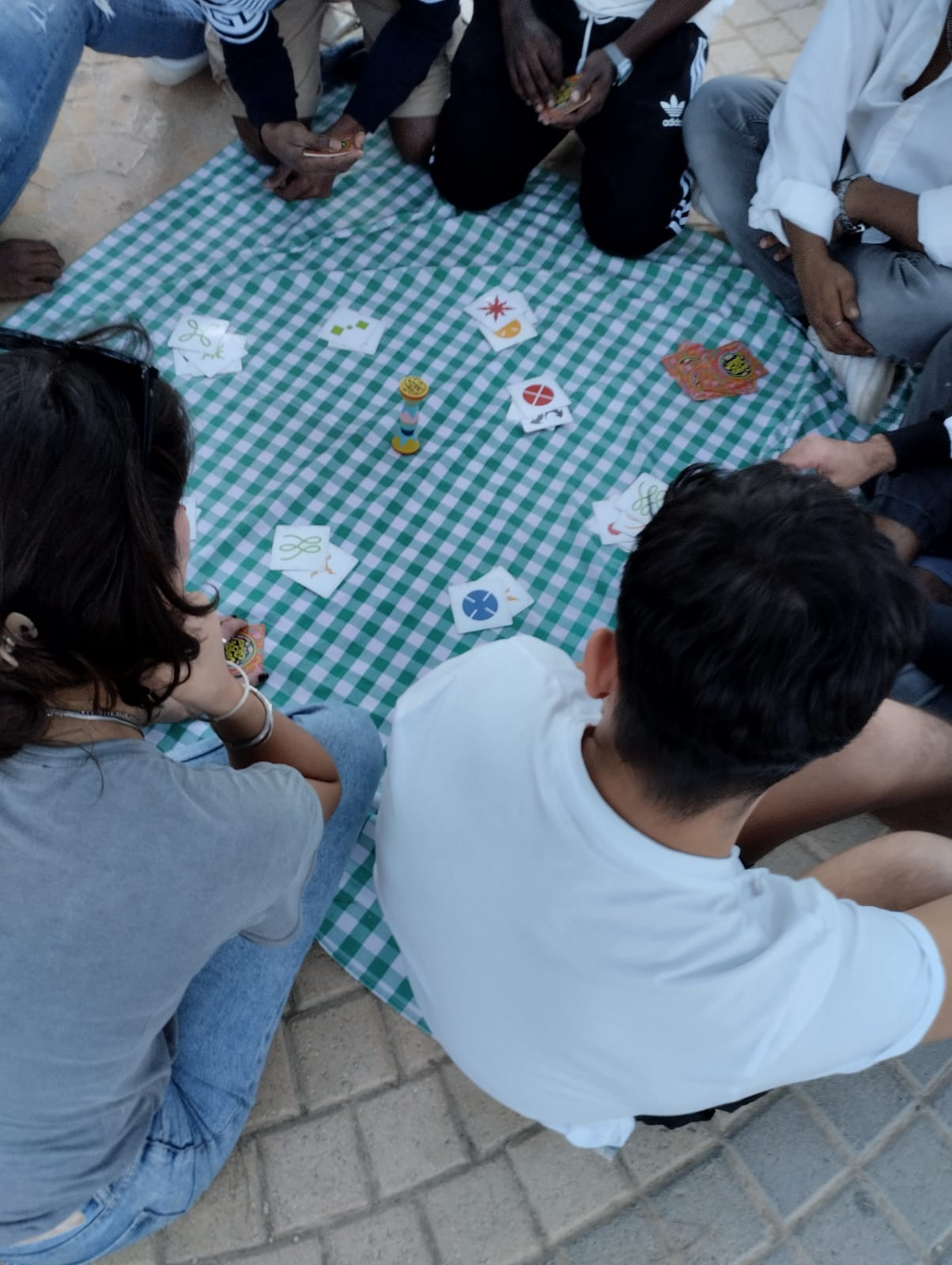
Mazí Housing grew from a shared belief that care is not just something we offer to people, but something we build around people. Our approach to housing starts from a simple understanding: when people feel safe, and when they are trusted with real choices, they are better able to care for themselves and others. We design our work to create that stability — not to manage behaviour, but to make space for care, responsibility, and growth.
Our approach
2/3
of people seeking refuge in Greece are adult men
0
are eligible for safe housing
Our History
Mazí was founded in 2020 to address the urgent need for housing for displaced individuals in Athens. Many were trapped in the asylum system without legal status, healthcare, financial resources, or the means to secure stable housing and employment.
We work with young men because state and humanitarian actors distribute aid based on the perceived vulnerability of different groups. Someone is “vulnerable” if they fit into a certain social group (old, under 18, female, pregnant, LGBTQI+). Solo men are rarely on this list.

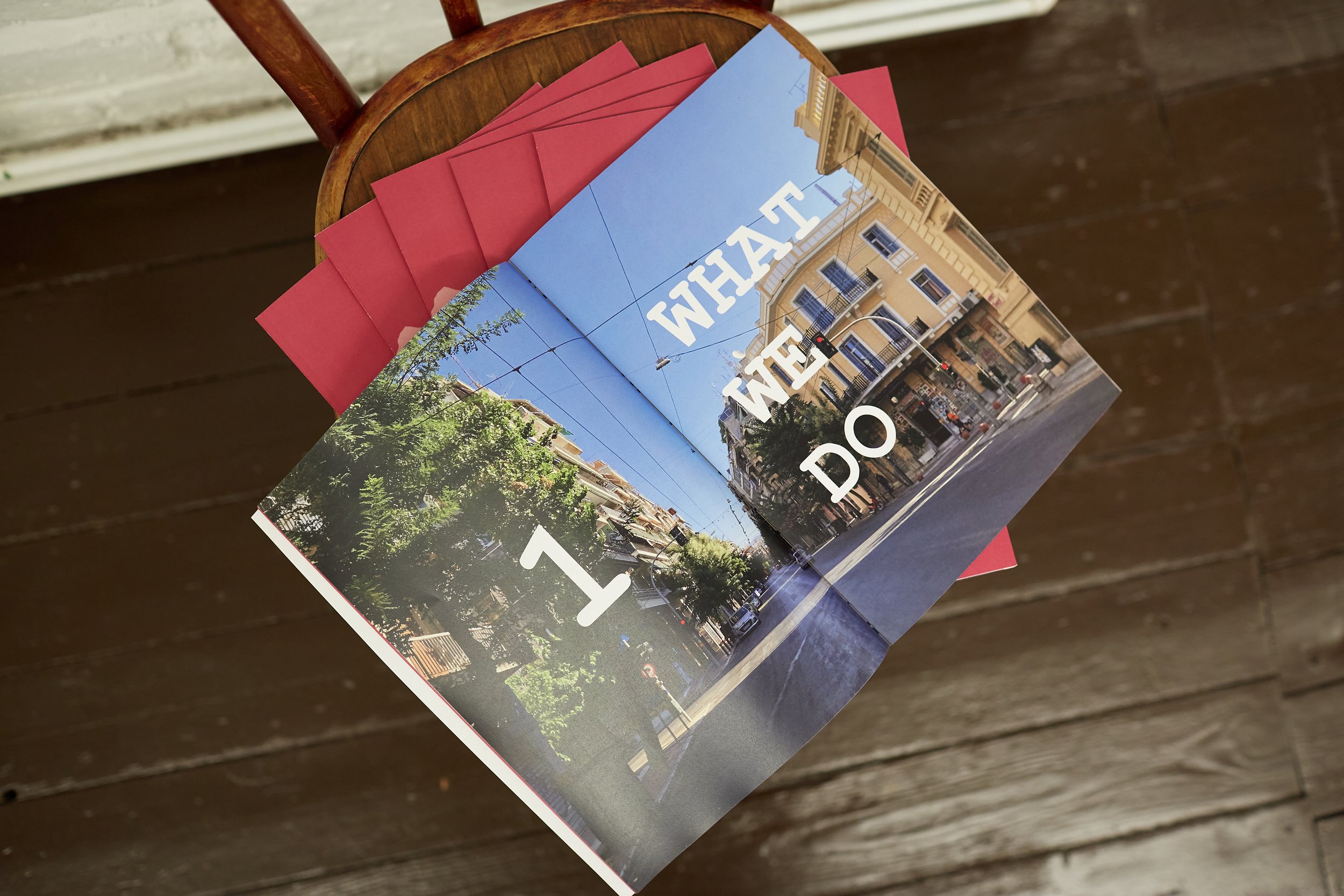
In an asylum system, men transition from a 17 year old “vulnerable boy” to an 18 year old “threatening (foreign) man” on their 18th birthday.
This means:
no housing
few support services, and
a dogged perception — from everyone, even those administering humanitarian support — that “he’ll be fine on the street for a bit, he’s a man”.
He won’t be fine on the street. That’s why we set up Mazí.
Our Values

Choice
Safety
Safety is at the core of everything we do. We work in a hostile environment, in which many people hold existing and prior traumas and stressors. We know that feeling safe and secure is a prerequisite for moving out of flight, flight or freeze.
We work to create safe environments for residents, personnel, volunteers and anyone coming into the Mazí’s space. Respectful and clear communication is foundational, and leads to healthier, more enduring and well-boundaried relationships.

Our residents have often experienced a loss of control over their lives due to displacement. Decisions about their housing, legal status and safety are often made by others. Redressing this imbalance is key to creating safety.
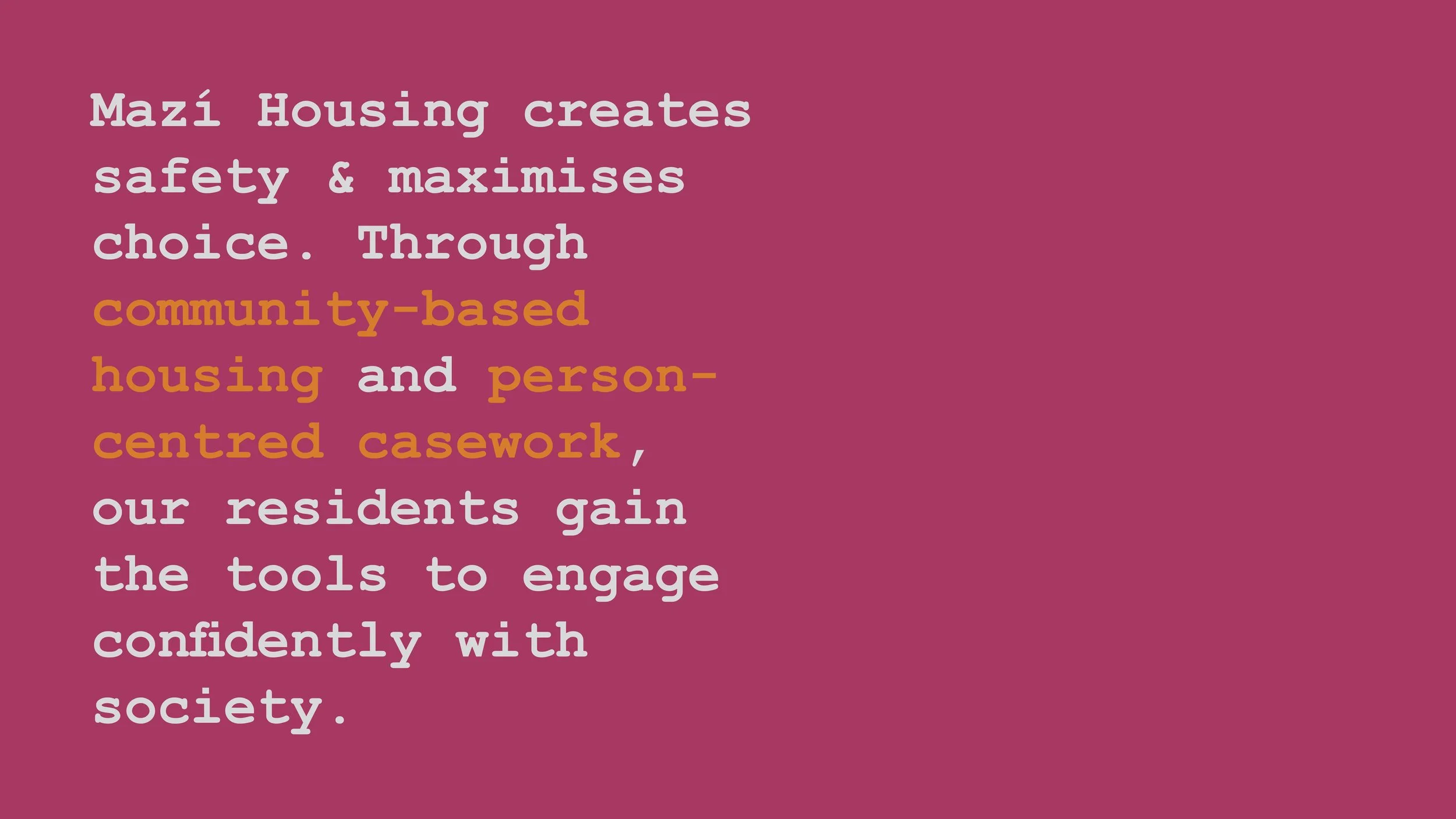
Residents regain a sense of control; at Mazí we offer choices in the living environment, and support each resident to make informed decisions. Through a strengths-based approach in both housing and casework, we foster agency, confidence, self-esteem, and trust in their own judgment.