
1000 True Fans
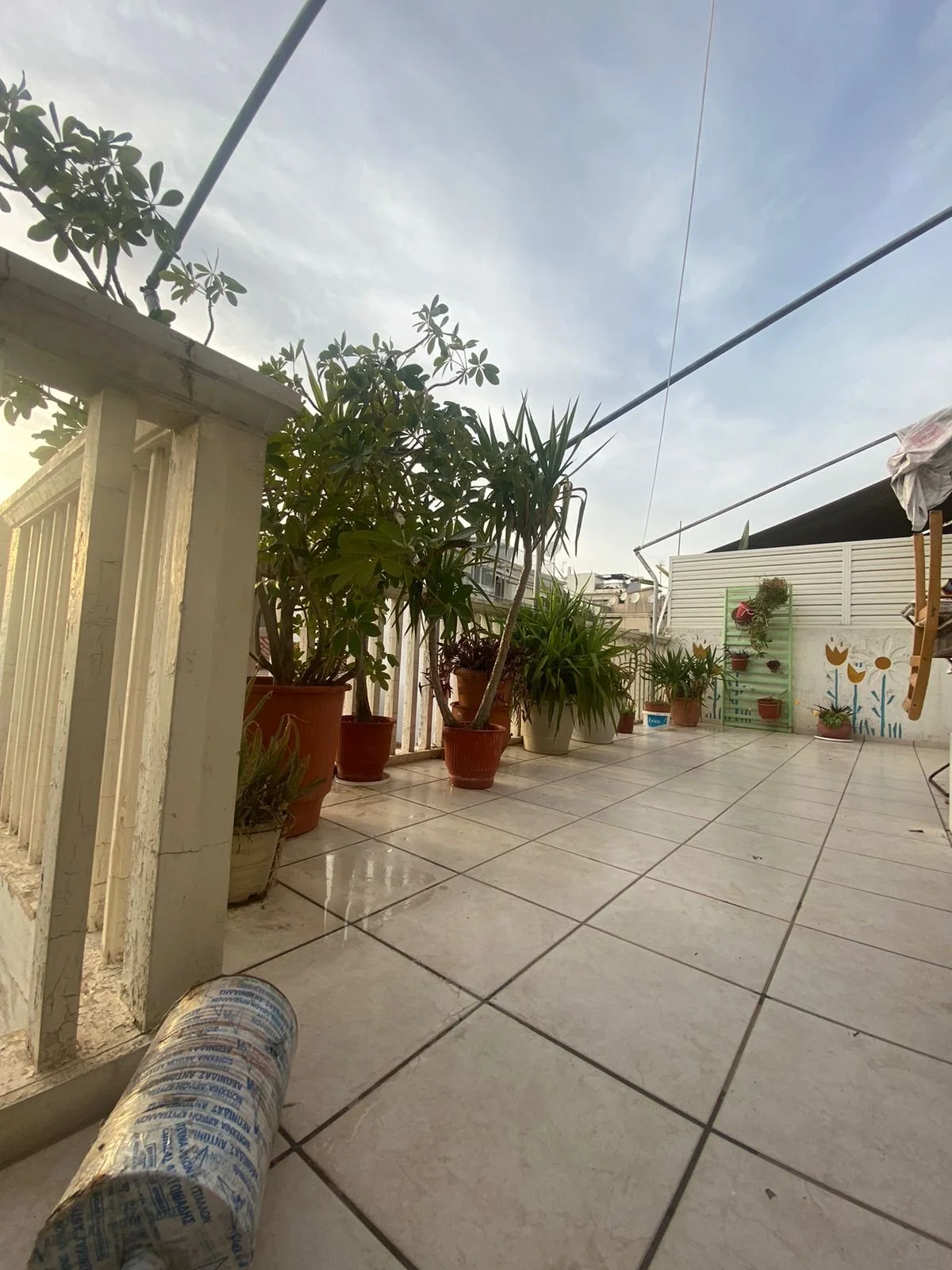
There’s an idea in marketing that a shop will never go out of business if it has 1000 true fans. If there are 1000 people who really love what they sell, love the people working there, or the vibe of the shop - if there are 1000 people who will always stand up when it matters.
This is often on our minds: Mazí is not a shop, but the principle stands. And so this is what we’re aiming at in 2026.
We think we’re in fairly good shape: since 2020, over two thousand people have donated to our work, an incredible one hundred and eleven people have put their body on the line and run the marathon. Four hundred of you read our newsletters each month, and over thirty of you donate each month.
So what does 1000 True Fans look like for Mazí? Outside of the bricks and mortar of our houses, Mazí ‘exists’ online in two places. Here, on our website. And our Instagram. We get relatively good engagement when we post beautiful pictures of empty or derelict buildings in Athens. There’s a movement around the poor use of space, and there’s an increasing need for social housing in Greece. But there’s no click through - no one sees us write about a crumbling building in Athens and decides to fund our work. But we want to give to you as much as you give to us. We want to be source of nourishment for you.
So we’re resetting this year. In two ways:
We aiming for 1000 true fans. 1000 people who run the Mazí marathon, who read our newsletter, who hit reply, who share it with a friend, who show up at our events or who donate to our campaigns.
We want to talk about men. There are difficult conversations we all need to have: in our families, our communities, our societies. We have these with residents and in the team, and we want to have them with you.
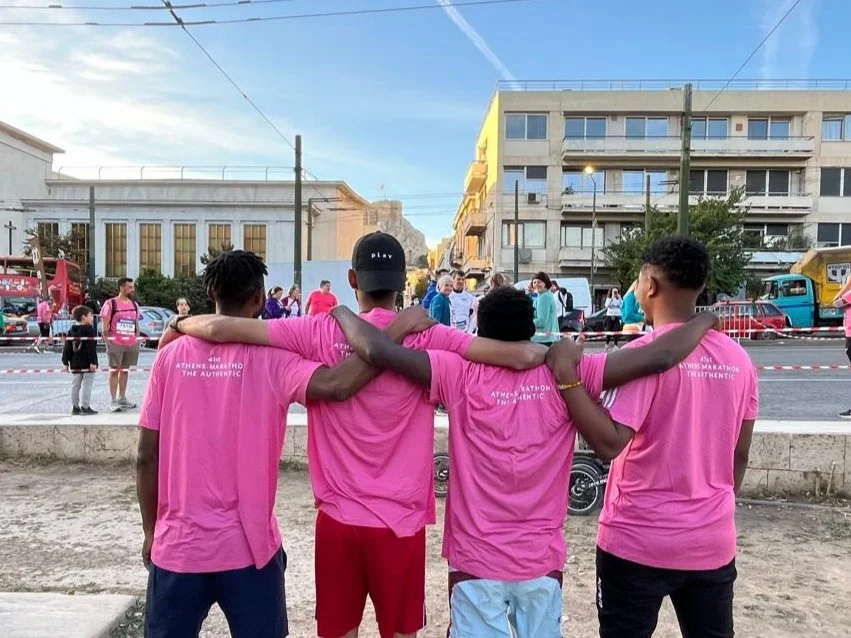
Since we founded Mazí, we’ve been cautious to speak confidently about the fact of our work with men. We’ve been unsure how to speak with clarity online about supporting young migrant men to build their lives, we’ve been keen to avoid engaging in a conversation around ‘men’s rights’ or bemoaning the plight of men and getting involved in a tit for tatt ‘my situation is worse than yours’ game online. Social media have no place for nuance.
Two things have forced our hand:
One. Mazí Housing exists because the perceptions and expectations we all have of men (strong, brave, expendable) mean that young men are at the same time:
Expected to take dangerous routes out of countries seeking safety, and to create a safer route (for example, family reunification) (strong = powerful), and
Treated as threat in the places they arrive (strong = scary)
In an asylum system, what this means is that men transition from a 17-year old vulnerable boy to an 18 year old threatening man on their 18th birthday. This means: no housing, few support services, and a dogged perception that he’ll be fine on the street for a bit, he’s a man. He won’t be fine on the street. That’s why we set up Mazí Housing.
Two. As we’ve held our tongue, in western societies some of the more toxic elements of the manosphere have bubbled to the surface, spurred on by the high priest, Jordan Peterson, or the brash foot soldier, Andrew Tate, both offering bleak but increasingly popular visions of what man is.
We want to speak more about masculinity now, because we can’t hold our tongue anymore. As we watch armchair arseholes pod-blast us into a us vs. them world in which racialised men are the enemy, we can’t square it with the reality of men that we see every day trying to live a good life. We can’t square it with the reality of a resident who cooks for someone he barely knows.
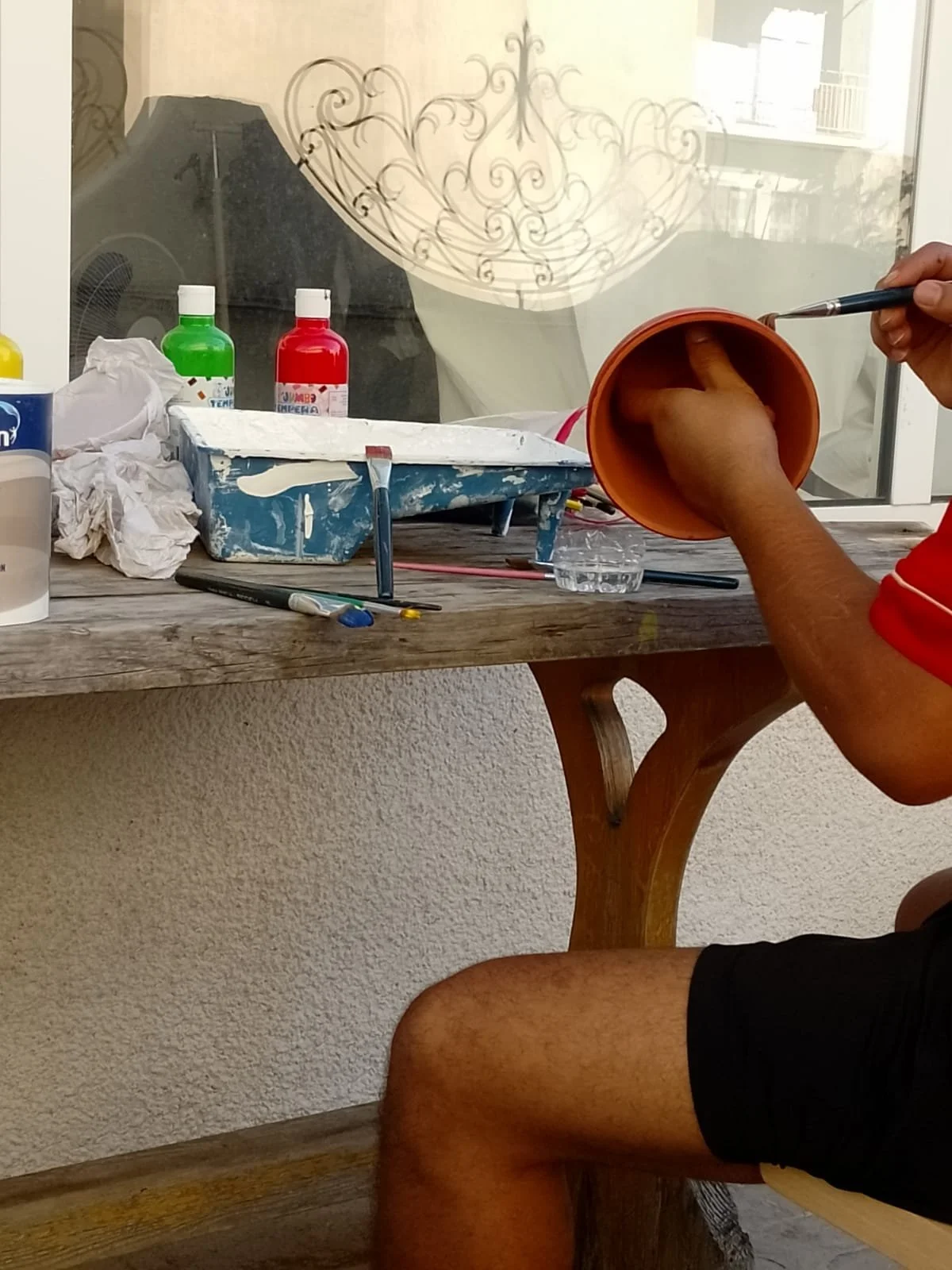
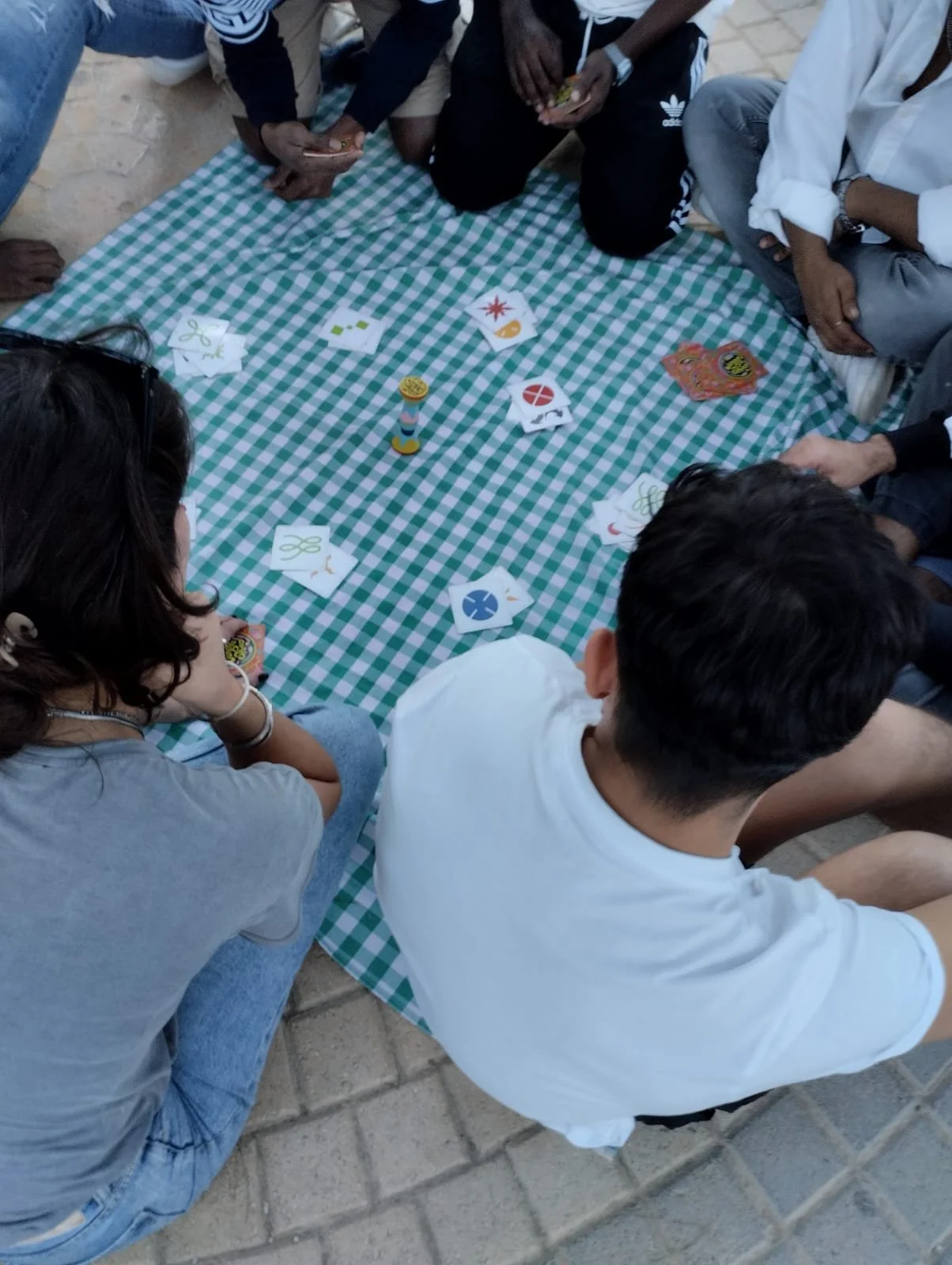
We can’t square the propaganda of fighting age men with the reality we see of an 18 year old boy crying with frustration at the system that has postponed a decision about his life again, and afraid about what the next few months will look like.
We can’t square the propaganda of invading hordes with the reality we see of a young man falling about laughing trying to get his tongue around Greek pronouns.
We can’t square the cries of we can’t take anymore people with the reality we see of empty buildings, empty houses, and politicians on the make.
Last year, we housed thirty men in Athens. Twelve completed their programme with Mazí, and moved confidently on: moved on better equipped to find their way around the city’s services, with stronger networks, and with more choices in the job market and of housing.
We watched 30 young men build their lives in a complicated confusing system in a foreign place. We watched these young men struggle for confidence, creativity and playfulness, to overcome fear, anxiety and to learn to control violence and prefer communication as a response to conflict.
This is their work. And it’s yours too. Come join us.
This originally appeared in our January 2026 newsletter. Sign up down below.
